Whale Shark Sighting Log
What our crew actually recorded at sea, published in full instead of a guaranteed-sighting claim. Wild animals are never promised.
What the logs currently show
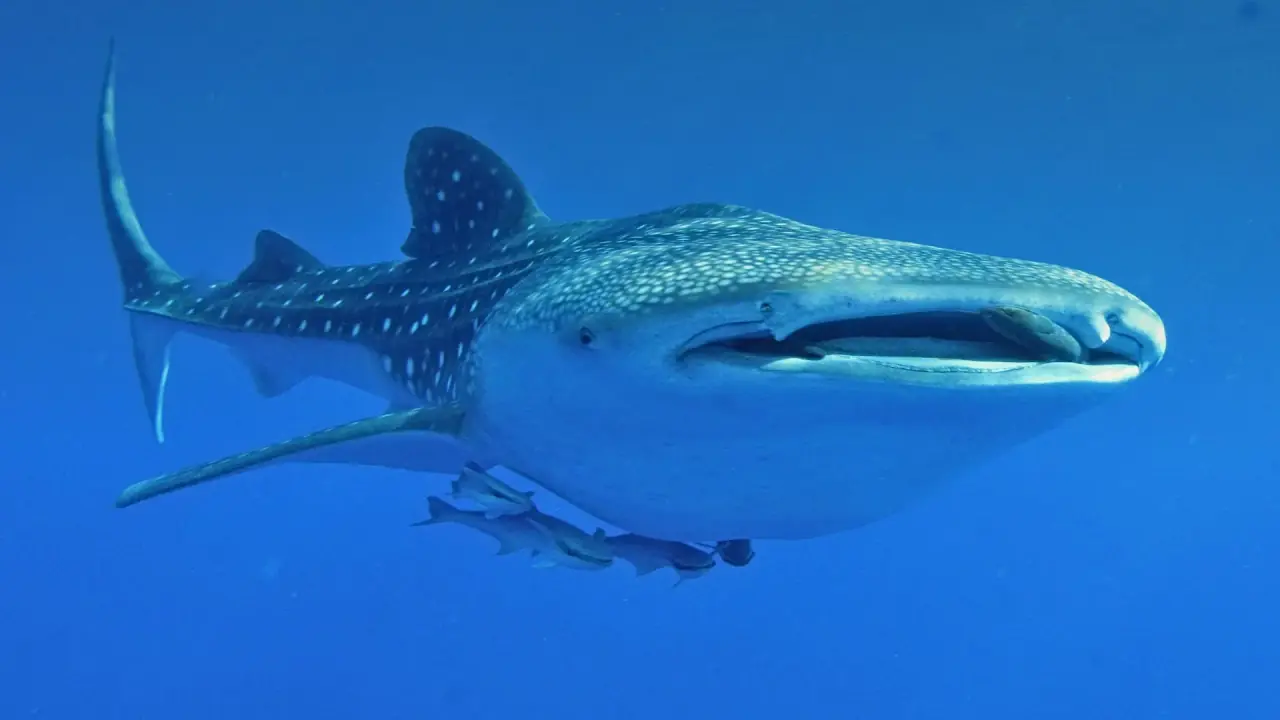
As of 24 September 2026, Tour Z crew logs record the last whale shark sighting on 23 September 2026 and the last dolphin pod on 23 September 2026. 43 of 51 completed field logs recorded at least one whale shark (84%). Those logs count 181 whale sharks, and the largest crew size estimate is 14m. Sightings are wild and are never promised.
How These Numbers Are Produced
Anyone can publish a sighting percentage. These are the rules behind ours, so you can judge how much weight it deserves.
What counts as a field log
One departure that went to sea and completed its search. Trips cancelled before departure for weather or safety are not counted, because no search took place. Each log is written by the crew on the day.
What the percentage means
43 of 51 completed field logs recorded at least 1 whale shark. Sightings remain wild and are never promised. It counts logs, not guests, and it describes the past, not the morning you book.
Who verifies it
Nobody outside Tour Z. This is self-reported crew data, not an audited dataset. We publish it because an honest number a traveller can check beats a guarantee that cannot be true.
How sizes are recorded
Lengths are visual estimates made by the crew in the water, not measured with equipment. Treat the largest-animal figure as an experienced estimate rather than a scientific measurement.
How often it updates
The figures refresh from the crew tracker each time the site rebuilds, and the stamp above shows when the log was last updated. Times are Philippine time (Asia/Manila).
What is not included
No photo-identification catalogue, no individual animal histories, and no data from other operators. This is one small operator logging its own departures.
Why Sightings Move Around
Whale sharks in Puerto Princesa are unfed and free-ranging. Nothing holds them in one bay, which is the point, and the reason a number can never become a promise.
- Season: April to October is when plankton and whale sharks are most consistently present in these waters.
- Plankton and current: animals follow food. Currents and water clarity change which areas are worth searching on a given morning.
- Sea state: wind and swell decide how far a spotter can see and how comfortably a small boat can work an area.
- Search method: open-water scouting means covering distance and reading the water, not returning to a feeding station.
- Luck: the honest variable. Two identical mornings can produce a different day.
For how a wild search compares with the fed encounter in Oslob, read Oslob vs Puerto Princesa and our guide to ethical whale shark tours in the Philippines.
Questions About This Data
Tour Z publishes its own crew field logs rather than a marketing figure. The current share of completed logs that recorded at least one whale shark, the total number of animals counted and the date of the last confirmed sighting are all shown on this page and refresh each time the site rebuilds. Sightings are wild and are never promised.
No. These are self-reported logs written by the Tour Z crew after each completed departure, not an audited dataset. They are published so travellers can judge the season honestly instead of relying on a guaranteed-sighting claim.
One departure that went to sea and finished its search. Trips cancelled before departure for weather or safety are not counted, because no search took place.
April to October. Whale sharks follow plankton, so encounters depend on season, sea conditions, currents and luck rather than a fixed schedule.
No. A past encounter rate describes what previous departures recorded; it cannot predict a single morning at sea. Tour Z does not feed or bait animals and offers no wildlife-sighting refund.
See the Season for Yourself
April to October, small groups, no feeding, no guarantees, and the log above stays public whichever way the season goes.