
Whale Shark Puerto Princesa vs. Oslob : Why Tour Z Chose the Ethical Choice
When planning a trip to the Philippines, swimming with whale sharks is often at the top of the bucket list. However, not all encounters are created equal. Travelers are increasingly faced with a choice: the guaranteed but controversial sightings in Oslob, or the wild, natural experience of a whale shark Puerto Princesa tour.
If you are looking for an authentic, 100% ethical encounter, understanding the difference between these two locations is vital for both your experience and the safety of these endangered "Butandings."
The Oslob Reality: A "Circus" vs. The Wild
In Oslob, Cebu, whale sharks are hand-fed by boatmen to ensure they stay in the area for tourists. While this guarantees a sighting, it comes at a high ecological cost. Scientists have noted that this "provisioning" disrupts natural migratory patterns, leads to poor nutrition, and causes the sharks to associate boats with food—a behavior that makes them vulnerable to injuries from propellers elsewhere.
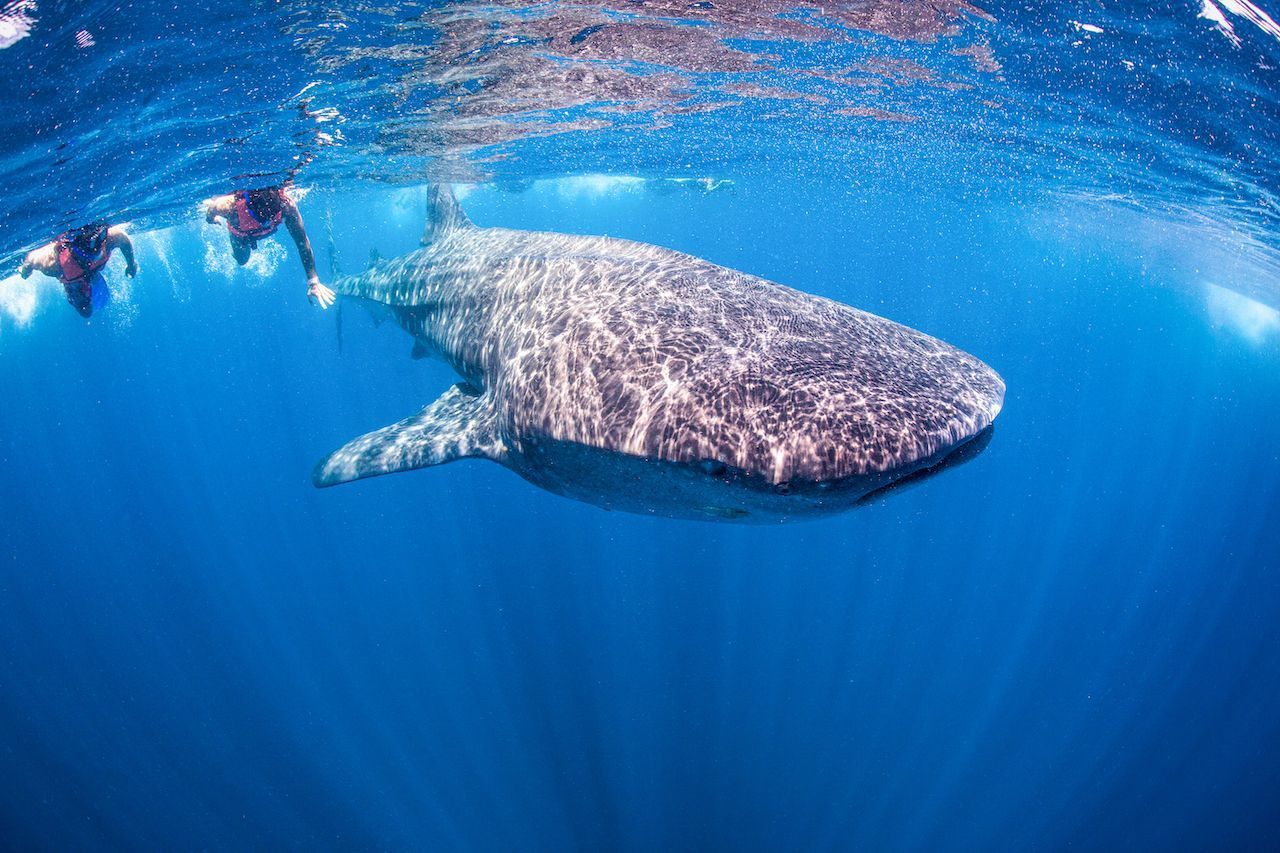
In contrast, a whale shark Puerto Princesa encounter is a 100% wild experience. There is no artificial feeding or baiting involved. You are entering their world on their terms, observing these gentle giants in the open ocean as they follow their natural instincts. This is eco-tourism in its purest form.
Precision Maneuvering: Protecting the Giants
One of the most overlooked risks in whale shark tourism is the physical danger posed by the boats themselves.
- The Bangka Challenge: Traditional wooden bangka boats are iconic to the Philippines, but their wide outriggers and heavy design make them difficult to steer quickly. In crowded areas, these boats often struggle to maneuver around a moving shark, sometimes accidentally drifting over the animal.
- The Speedboat Solution: Our tours utilize a specialized 30 ft speedboat designed for precision. Unlike a bangka, our vessel allows our captain to approach and track the whale sharks with surgical accuracy, ensuring we never obstruct their path or cause accidental contact. This level of control is a game-changer for animal welfare.
Small Groups vs. Mass Tourism
Ethics aren't just about the fish; they're about the environment of the encounter. Standard tours in other parts of the Philippines often cram 24 or more people onto a single boat, leading to a chaotic "frenzy" when a shark is spotted.
We believe in a "quiet encounter." By limiting our trips to 12 tourists maximum, we ensure the environment remains calm and non-stressful for the whale shark. This smaller footprint allows for a more intimate, respectful connection that mass-tourism boats simply cannot offer.
Technology That Gives Back to the Ocean
Our commitment to the ocean goes beyond just watching the wildlife. Our speedboat is equipped with:
- Ultra-Quiet Engines: Reducing noise pollution is essential for marine life that relies on sound to navigate. Our engines are significantly quieter than the loud "clatter" of traditional bangkas.
- Micro-Plastic Collection: As we search for the whale sharks, our engine system actively filters and collects micro-plastics from the water, meaning every tour helps leave the Palawan seas cleaner than we found them.
- Aerial Drone Shots: To give you the best memories without crowding the animal, we use drones to capture high-definition footage of your encounter from a safe distance above.
Conclusion: Plan Your Ethical Whale Shark Encounter
The whale shark Puerto Princesa season runs from April to October, with peak sightings occurring around the full moon when plankton is most abundant.
If you want to contemplate these majestic creatures in a way that is respectful, sustainable, and truly wild, join us for a journey that puts the animal first.
FAQs
Frequently Asked Questions: Whale Shark Puerto Princesa
1. When is the best time for whale shark swimming in Puerto Princesa?
The whale shark Puerto Princesa season typically runs from April to October. For the highest chance of a sighting, we recommend booking your trip during the full moon window (one week before and one week after the full moon). This is when plankton blooms are most abundant, attracting the "Butandings" to the surface to feed naturally.
2. How is this tour different from the whale shark tours in Oslob?
The biggest difference is ethics and sustainability. In Oslob, whale sharks are fed by humans, which disrupts their migration and health. In Puerto Princesa, we offer a 100% wild encounter. There is no feeding involved. You are observing them in their natural habitat in the open ocean, which is much more respectful to the animal and rewarding for the traveler.
3. Why do you use a speedboat instead of a traditional Bangka boat?
Traditional bangkas are wide and difficult to maneuver, which can be dangerous for the sharks if the boat drifts over them. Our 30 ft speedboat allows for high-precision movement, keeping you safely alongside the animal without ever obstructing its path. Additionally, our speedboat is much faster, meaning we spend less time searching and more time swimming.
4. Is the encounter stressful for the whale sharks?
We take several steps to ensure a non-stressful encounter. Unlike standard tours that allow 24+ people to jump in at once, we limit our trips to 12 tourists max. This smaller group size reduces noise and splashing, leading to a "quiet encounter" where the shark remains calm. Our engines are also specialized to be much quieter than traditional boat motors.
5. What happens if we don’t see a whale shark?
Because we do not feed the animals, sightings are never 100% guaranteed—this is the nature of an ethical, wild experience. However, our speedboat allows us to cover a massive area of the bay quickly, and we use local spotters to maximize our success rate. If the sharks are elusive, you’ll still enjoy a premium day on the water with the chance to see dolphins or other marine life and enjoy a 25% refund.
6. Does your tour help the environment?
Absolutely. We are proud to operate the only tour boat in the area with an engine designed to collect micro-plastics from the sea as we move. By joining our tour, you are directly contributing to a cleaner ocean in Palawan.
7. Can I get photos of the experience?
Yes! Because our boat sits closer to the sea level, you get a much better view of the sharks even from the deck. To make your trip truly unforgettable, bring your GoPro, they're allowed. We SOMETIMES have a drone flying during our trips to capture amazing aerial shots of the encounter, which are often the highlight for our guests.